
Local anesthesia
Technique for reversible loss of sensation in a specific body part.

Richard Balikian MD · CC BY 4.0
Local anesthesia is a technique to induce the absence of sensation in a specific part of the body, primarily for local analgesia. It allows patients to undergo surgical and dental procedures with reduced pain and distress, and in many situations, such as cesarean section, it is safer and superior to general anesthesia.
- field
- Medicine (Anesthesiology)
- known_for
- Techniques to induce local insensitivity to pain, including topical, infiltration, peripheral nerve block, and neuraxial anesthesia
- key_pioneers
- Karl Koller, August Bier, James Leonard Corning, Gaston Labat, Manuel Martínez Curbelo
- classes_of_anesthetics
- Aminoamide and aminoester local anesthetics
- mechanism_of_action
- Reversible blockade of voltage-gated sodium channels in neuronal membranes
Lore & Background
Local anesthesia has a history dating back to the late 19th century. Manuel Martínez Curbelo pioneered continuous spinal anesthesia in the 1940s.
Reader's Guide
Local anesthesia encompasses a variety of techniques, including topical anesthesia, infiltration anesthesia, peripheral nerve blocks, and neuraxial anesthesia (spinal and epidural). Clinical local anesthetics belong to two classes: aminoamide and aminoester, and are structurally related to cocaine but lack its abuse potential and sympathoadrenergic effects, except for Ropivacaine and Mepivacaine which produce weak vasoconstriction. Adverse effects can include localized prolonged anesthesia or paresthesia due to infection, hematoma, or nerve damage, as well as systemic reactions such as depressed CNS syndrome, allergic reaction, and local anesthetic toxicity. Non-pharmacological techniques such as transcutaneous electrical nerve stimulation, pulsed radiofrequency, and nerve ablation are also used for local pain management. Ultrasound guidance has been a significant innovation, allowing real-time visualization of internal anatomy.
Did You Know?
- Local anesthetics work primarily by reversibly blocking voltage-gated sodium channels in neuronal membranes.
- Unlike general anesthesia, local anesthesia does not put one into a state of unconsciousness.
- Ultrasound guidance has been one of the most significant innovations in regional anesthesiology.
Mechanism of Action and Pharmacological Profile
Local anesthetics achieve their effect by reversibly blocking voltage-gated sodium channels embedded in neuronal membranes. This blockade halts the initiation and propagation of action potentials along sensory nerve fibers, effectively preventing nociceptive signals from ever reaching the brain. When applied to specific nerve pathways through a technique called nerve block, the result can range from targeted analgesia to complete loss of muscle power in the affected region.
Clinically available agents fall into two structural families: aminoamide and aminoester local anesthetics. All synthetic formulations share a structural lineage with cocaine, yet they were deliberately engineered to eliminate its dangerous properties. Unlike cocaine, these drugs carry no abuse potential and do not stimulate the sympathoadrenergic system, meaning they generally avoid producing hypertension or significant local vasoconstriction. A notable exception exists with Ropivacaine and Mepivacaine, which can induce mild vasoconstrictive effects. Because local anesthesia does not render the patient unconscious, it is well suited for minor procedures performed directly in a surgeon's office, provided a sterile environment is maintained throughout the intervention.
Clinical Techniques and Therapeutic Applications
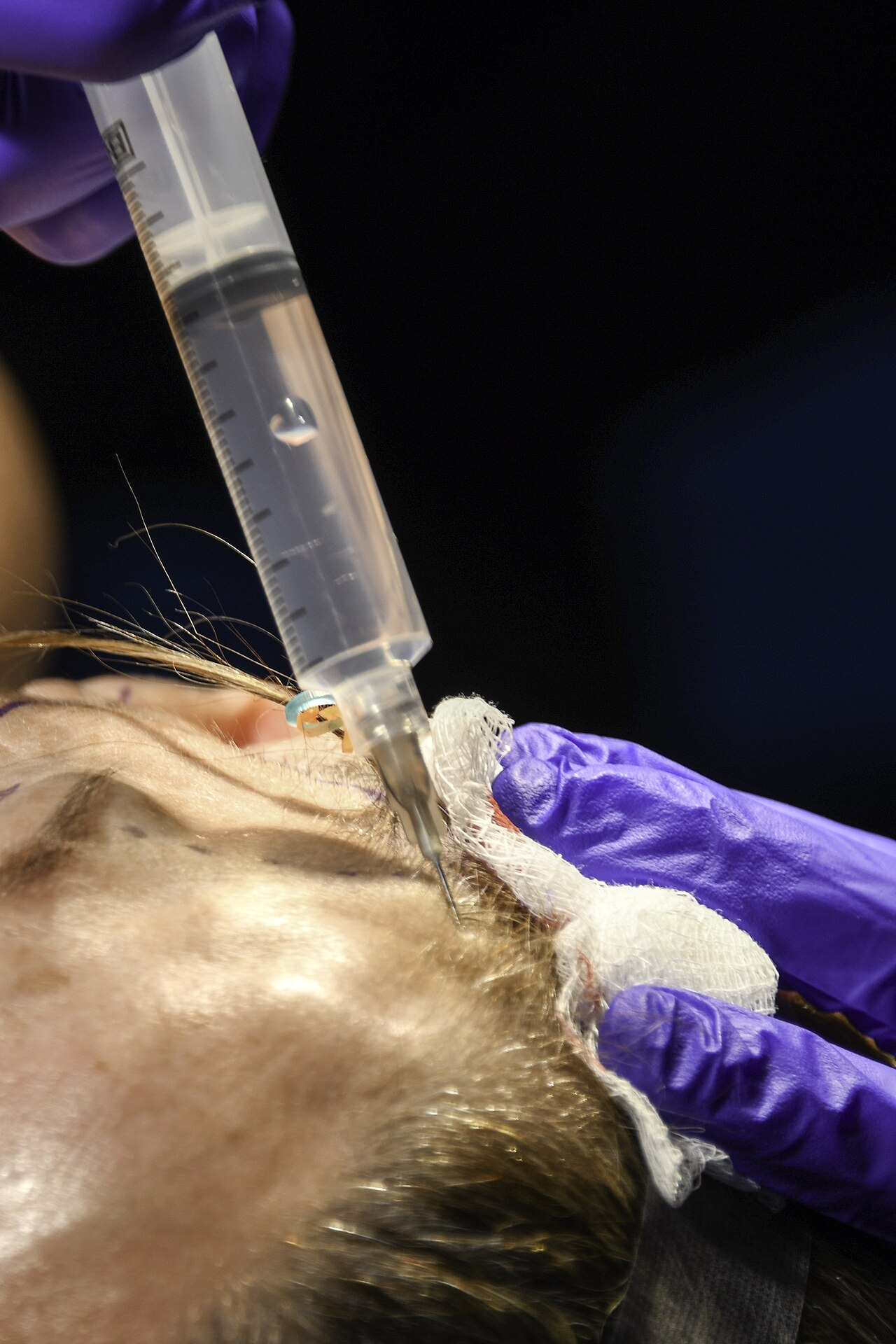
The practical delivery of local anesthesia spans a spectrum of techniques tailored to the size and location of the target area. Topical application involves placing the agent on mucous membranes or skin surfaces. Infiltration anesthesia requires direct injection into tissue immediately surrounding the procedural site. For more extensive coverage, peripheral nerve blocks deliver the anesthetic near specific nerves or plexuses such as the brachial or femoral structures. At the broadest end, neuraxial techniques—including spinal and epidural methods—produce anesthesia across wider regions by blocking nerve roots directly.
The clinical advantages are substantial. In cesarean sections, local or regional methods are considered safer and therefore superior to general anesthesia, keeping the patient conscious and reducing systemic risk. Dental work and minor surgical interventions benefit from numbing a single tooth or patch of skin without inducing unconsciousness. In every case, the physician must ensure a sterile working environment before proceeding, particularly in an outpatient office setting. Terminology can be confusing: 'local anesthesia' in its strictest sense refers to a small area like a tooth, while 'regional anesthesia' covers a limb, and 'conduction anesthesia' serves as an umbrella term encompassing the full variety of both local and regional techniques.
Historical Pioneers and the Evolution of the Field
The story of regional anesthesia begins in the late nineteenth century with a series of groundbreaking contributions. In 1884, Karl Koller introduced cocaine as the first local anesthetic, fundamentally transforming how pain was managed during medical procedures. Just fourteen years later, August Bier performed the first spinal anesthesia in 1898, while James Leonard Corning simultaneously explored epidural techniques, expanding the toolkit available to clinicians.
The field's institutional growth in America is largely attributed to Gaston Labat, widely regarded as the father of regional anesthesia in the United States. In 1923, he founded the American Society of Regional Anesthesia and authored the influential textbook Regional Anesthesia: Its Technic and Clinical Application, which standardized techniques and catalyzed the discipline's expansion. Decades later, in the 1940s, Manuel Martínez Curbelo pioneered continuous spinal anesthesia, adding another powerful tool to the anesthesiologist's repertoire.
These cumulative innovations established the foundation upon which modern regional anesthesia rests, enabling safer and more targeted pain relief. Among the most transformative recent advances is ultrasound guidance, which for the first time permits real-time visualization of internal anatomy, dramatically improving the precision and safety of nerve block procedures.
Adverse Effects and Non-Pharmacological Alternatives
Despite their widespread safety, local anesthetic techniques carry a range of potential complications. Localized adverse effects can include prolonged anesthesia or paresthesia resulting from infection, hematoma formation, excessive fluid pressure within a confined cavity, or inadvertent severing of nerves and supporting tissue during the injection process. Systemic reactions, though less common, may manifest as a depressed central nervous system syndrome, allergic response, vasovagal episode, or cyanosis stemming from local anesthetic toxicity. In some cases, the anesthetic simply fails to take effect, particularly when the target tissue is compromised by infectious material such as an abscess.
Beyond pharmacological approaches, several non-drug techniques offer alternatives for managing local and chronic pain. Transcutaneous electrical nerve stimulation has shown limited efficacy for lower back pain but may provide relief in diabetic neuropathy. Pulsed radiofrequency, neuromodulation, direct medication introduction, and nerve ablation represent additional strategies that can target either the tissue structures and organ systems responsible for persistent nociception or the nociceptors themselves, addressing the source of chronic pain without relying solely on anesthetic drugs.
Gallery



Frequently Asked Questions
What is local anesthesia?
Local anesthesia is a medical technique that temporarily numbs a targeted region of the body so a patient can undergo a procedure without feeling pain. It is widely used in dentistry, surgery, and obstetrics to minimize discomfort while keeping the patient fully conscious.
How does local anesthesia actually work at the cellular level?
Local anesthetic drugs reversibly block voltage-gated sodium channels on nerve cell membranes, preventing the generation and propagation of pain signals. Once the drug is metabolized or cleared, normal sensation returns.
What are the main categories and techniques of local anesthesia?
The technique can be applied topically, via direct tissue infiltration, as a peripheral nerve block, or through neuraxial methods such as spinal or epidural injections. The anesthetic agents themselves fall into two chemical families: aminoamide and aminoester compounds.
Why might a doctor choose local anesthesia over general anesthesia?
Because the patient remains awake and breathing on their own, local anesthesia avoids many of the systemic risks associated with general anesthesia. In procedures like cesarean sections, this makes it a safer and often superior option.
More in Medications And Drugs 25-30
Elsewhere in the Medications And Drugs universe
Spotted an error? Know more?
This is a living reference — every entry is fact-audited, and reader corrections feed straight into our audit queue. Suggest an edit · See this site's audit record