
Hydrocortisone
A corticosteroid medication used as cortisol replacement and anti-inflammatory.

Wesalius · CC BY 4.0
Hydrocortisone is the pharmaceutical name for the hormone cortisol when supplied as a medication. It is a corticosteroid used for its anti-inflammatory and immunosuppressive properties, and is the treatment of choice for adrenocortical insufficiency.
Lore & Background
It acts as both a glucocorticoid and mineralocorticoid, binding to the respective receptors. Its endogenous production rate is approximately 5.7 to 9.9 mg/m² per day, and it has a bioavailability of about 96% when taken orally. Topical absorption varies widely by application site, from 0.2% on the ball of the foot to 36.2% on the scrotum.
Reader's Guide
Hydrocortisone remains a cornerstone of treatment for adrenal insufficiency and a wide range of inflammatory and allergic conditions. Its significance lies in its dual glucocorticoid and mineralocorticoid activity, making it uniquely suited for cortisol replacement. Despite the development of more potent synthetic corticosteroids, hydrocortisone's safety profile and essential role in managing conditions like congenital adrenal hyperplasia keep it on the WHO Essential Medicines list. Its availability as a generic medication and over-the-counter topical form has made it widely accessible. However, its side effects, including hypertension, osteoporosis, and immunosuppression, require careful dosing and monitoring, especially with long-term use.
Therapeutic Versatility and Routes of Administration
Hydrocortisone is the pharmaceutical designation for the body's own cortisol hormone when it is formulated as a medicine. As a corticosteroid, it exerts both anti-inflammatory and immune-suppressing effects, making it applicable across a remarkably broad spectrum of conditions. It is the treatment of choice for adrenocortical insufficiency, but its clinical reach extends to adrenogenital syndrome, elevated blood calcium, thyroiditis, rheumatoid arthritis, dermatitis, asthma, and chronic obstructive pulmonary disease. In acute settings, it can be administered intravenously for severe allergic reactions such as anaphylaxis and angioedema, or injected directly into inflamed joints affected by gout. It also serves as a perioperative safeguard for patients on prolonged steroid regimens to avert an adrenal crisis. Topically, it addresses allergic rashes, eczema, psoriasis, and general itching, with over-the-counter strengths ranging from 0.05% to 2.5% in most countries. Rectal suppositories offer relief for hemorrhoidal swelling and irritation. An acetate variant exists with distinct pharmacokinetic and pharmacodynamic properties. Because abrupt discontinuation after extended therapy can be dangerous, clinicians emphasize a gradual tapering schedule.
Pharmacological Identity and Potency Profile
At the molecular level, hydrocortisone is unique among corticosteroids because it activates both glucocorticoid and mineralocorticoid receptors, giving it a dual hormonal profile that synthetic analogues typically lack in one direction or the other. In terms of anti-inflammatory strength, however, it is the weakest of the commonly used corticosteroids: prednisolone is roughly four times as potent, and dexamethasone approximately forty times as potent. For a typical 70-kilogram adult, the body naturally produces cortisol at a rate of about 5.7 to 9.9 mg per square meter of body surface per day, translating to an oral hydrocortisone replacement dose of roughly 15 to 20 mg daily, though severe physiological stress such as surgery can drive endogenous output as high as 400 mg. Beyond receptor agonism, hydrocortisone has been shown to act as a biphasic modulator of the GABA-A receptor—enhancing its activity at picomolar concentrations while suppressing it at nanomolar levels. Oral bioavailability is high at approximately 96%, peak plasma levels arrive within about 1.2 hours, and roughly 92% of circulating molecules are bound to plasma proteins. Metabolism proceeds primarily through 11β-hydroxysteroid dehydrogenases, converting the active hormone into inactive cortisone.
Adverse Effects and Safety Considerations
The safety profile of hydrocortisone is heavily dose-dependent, with many adverse effects emerging primarily at higher therapeutic levels. Short-term or moderate use can produce mood disturbances, heightened appetite, elevated blood sugar, high blood pressure, and fluid retention leading to swelling. Prolonged therapy carries more serious risks, including bone density loss, suppression of the adrenal glands, gastrointestinal upset, generalized physical weakness, easy bruising, and susceptibility to yeast infections. Additional concerns encompass low potassium levels, salt and water retention, broad immunosuppression with increased infection risk and reactivation of latent infections, Cushingoid physical changes, and neuropsychiatric effects such as depression. Sleep architecture is notably altered: the drug suppresses rapid-eye-movement sleep while enhancing slow-wave sleep, and it increases nighttime awakenings. Research suggests the glucocorticoid component drives REM suppression whereas the mineralocorticoid component promotes slow-wave sleep, and the direction of these effects can shift between low and high doses. Safety during pregnancy remains undetermined, and clinicians stress that discontinuation after extended use must be gradual to avoid precipitating an adrenal crisis.
Historical Milestones and Global Reach
Hydrocortisone's journey from laboratory discovery to widespread clinical use was remarkably swift. The compound was patented in 1936 and received regulatory approval for medical use just five years later, in 1941, placing it among the earliest corticosteroids available to physicians. Its importance has endured for over eight decades. Today it is listed on the World Health Organization's List of Essential Medicines, a designation that underscores its fundamental role in global healthcare systems. Because it is available as a generic formulation, cost barriers are substantially lower than for branded alternatives, facilitating access in both high-income and resource-limited settings. In the United States, hydrocortisone ranked as the 182nd most frequently prescribed medication in 2023, with more than two million prescriptions issued that year—a testament to its continued relevance in modern practice. Topical preparations are sold without a prescription in most countries, further broadening patient access for common inflammatory skin conditions. This combination of historical significance, regulatory endorsement, generic availability, and persistent prescription volume cements hydrocortisone's place as a cornerstone of therapeutic medicine.
Gallery


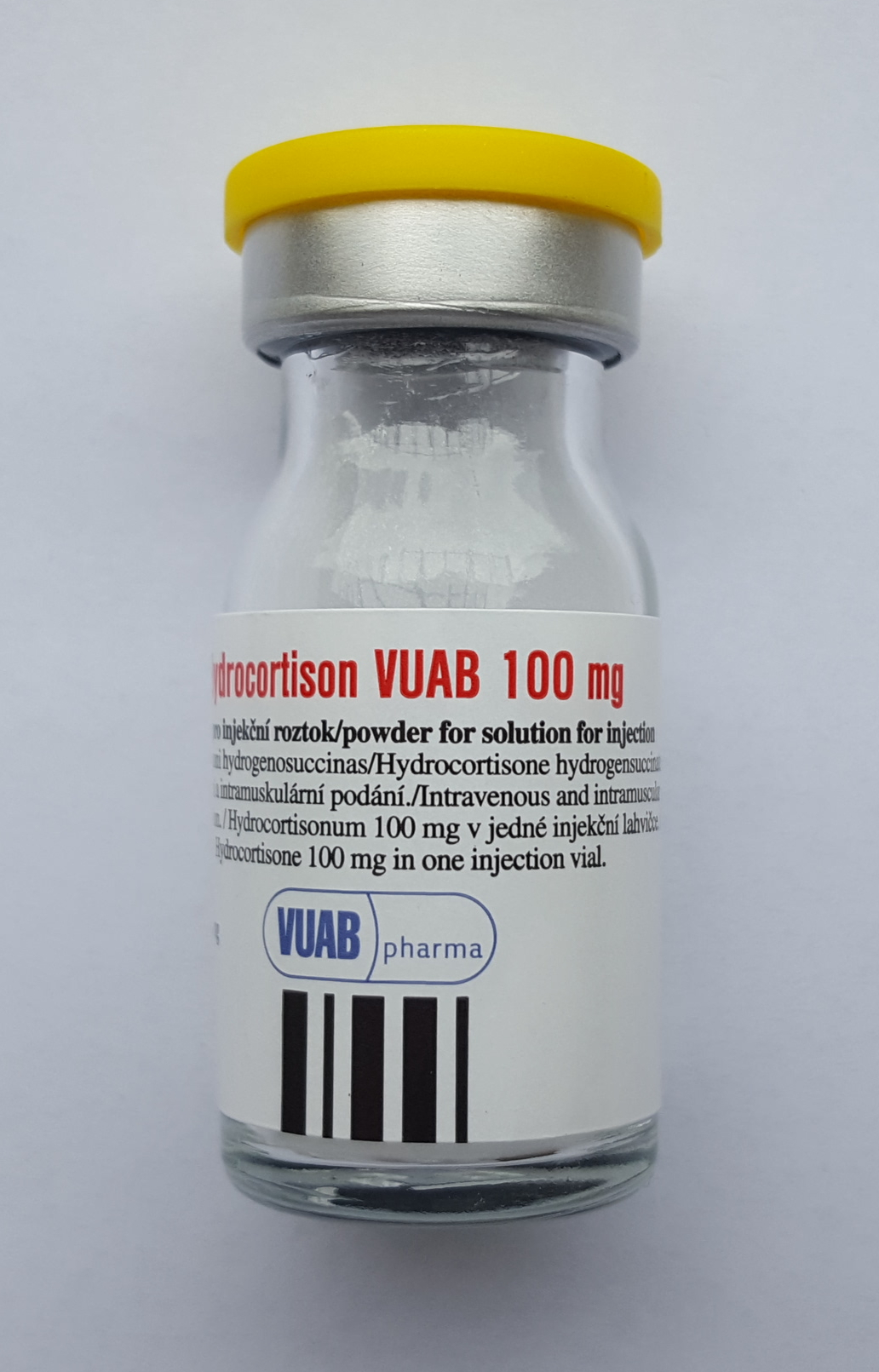
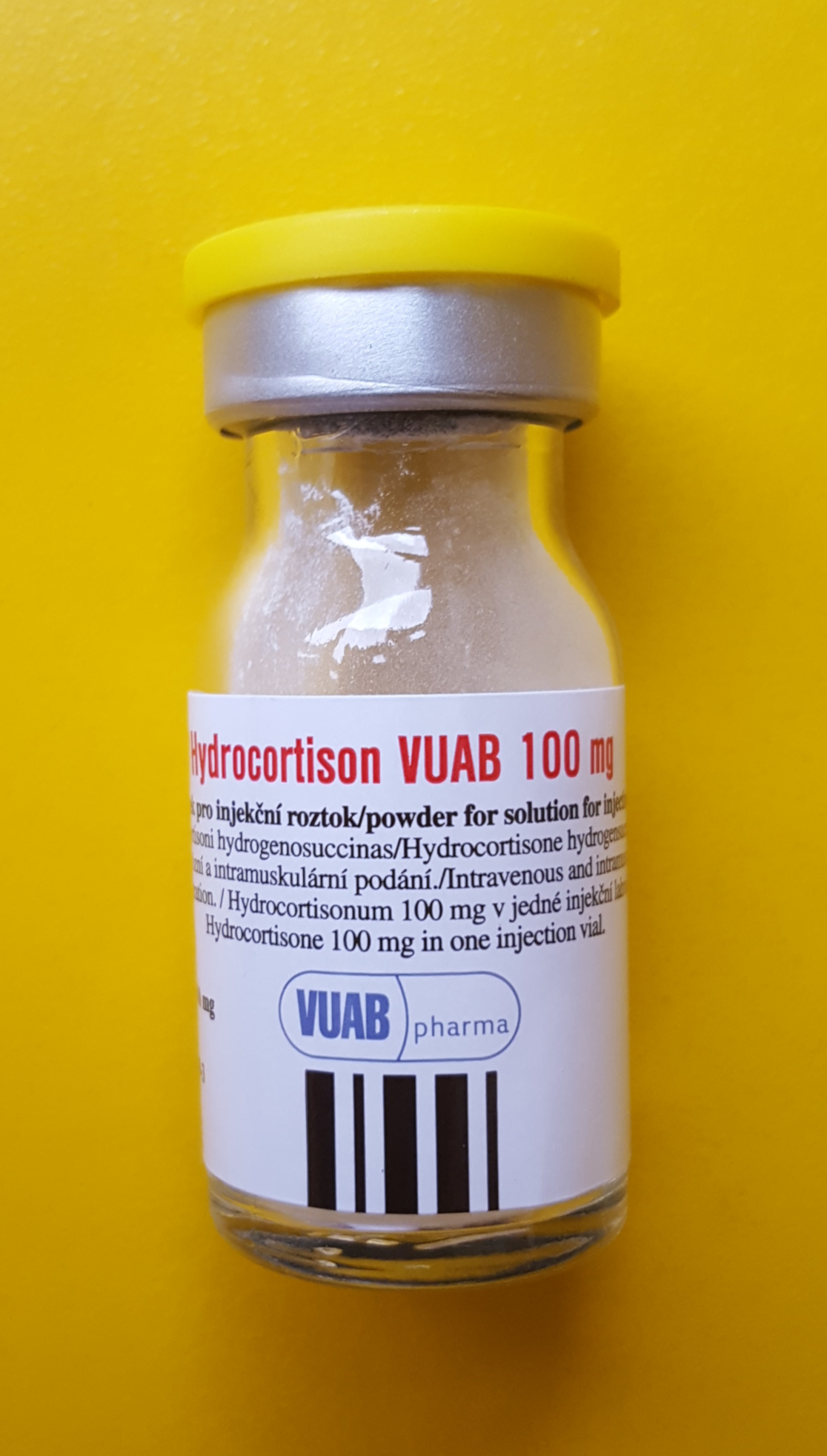


More in Medications And Drugs 1-24
Elsewhere in the Medications And Drugs universe
Spotted an error? Know more?
This is a living reference — every entry is fact-audited, and reader corrections feed straight into our audit queue. Suggest an edit · See this site's audit record