
Imipramine
First marketed tricyclic antidepressant, used for depression and enuresis.

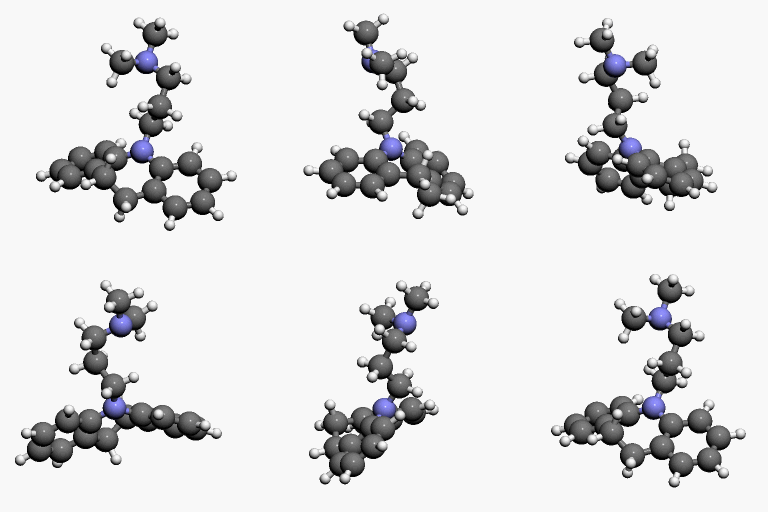
Jynto ( talk ) · CC0
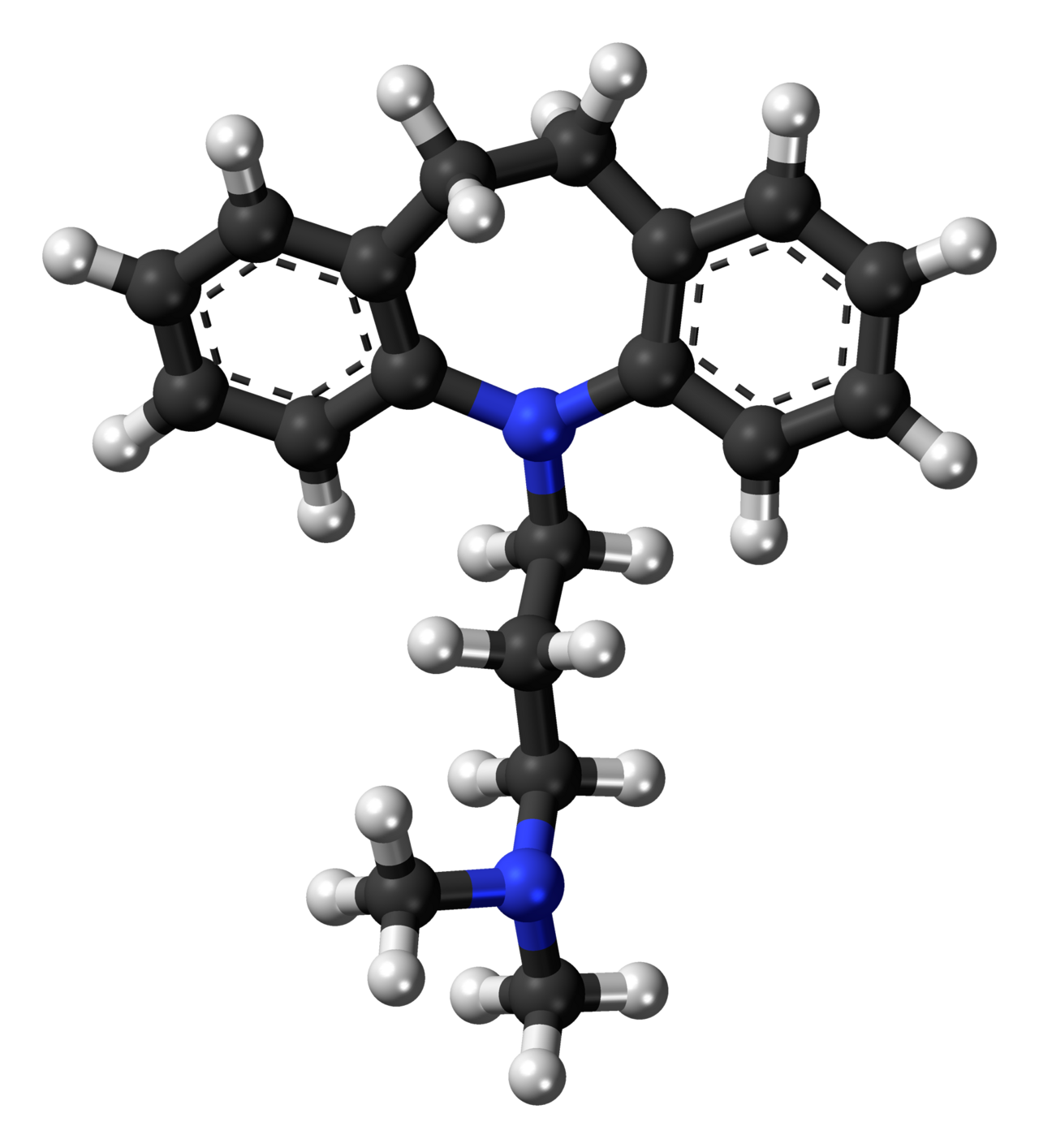
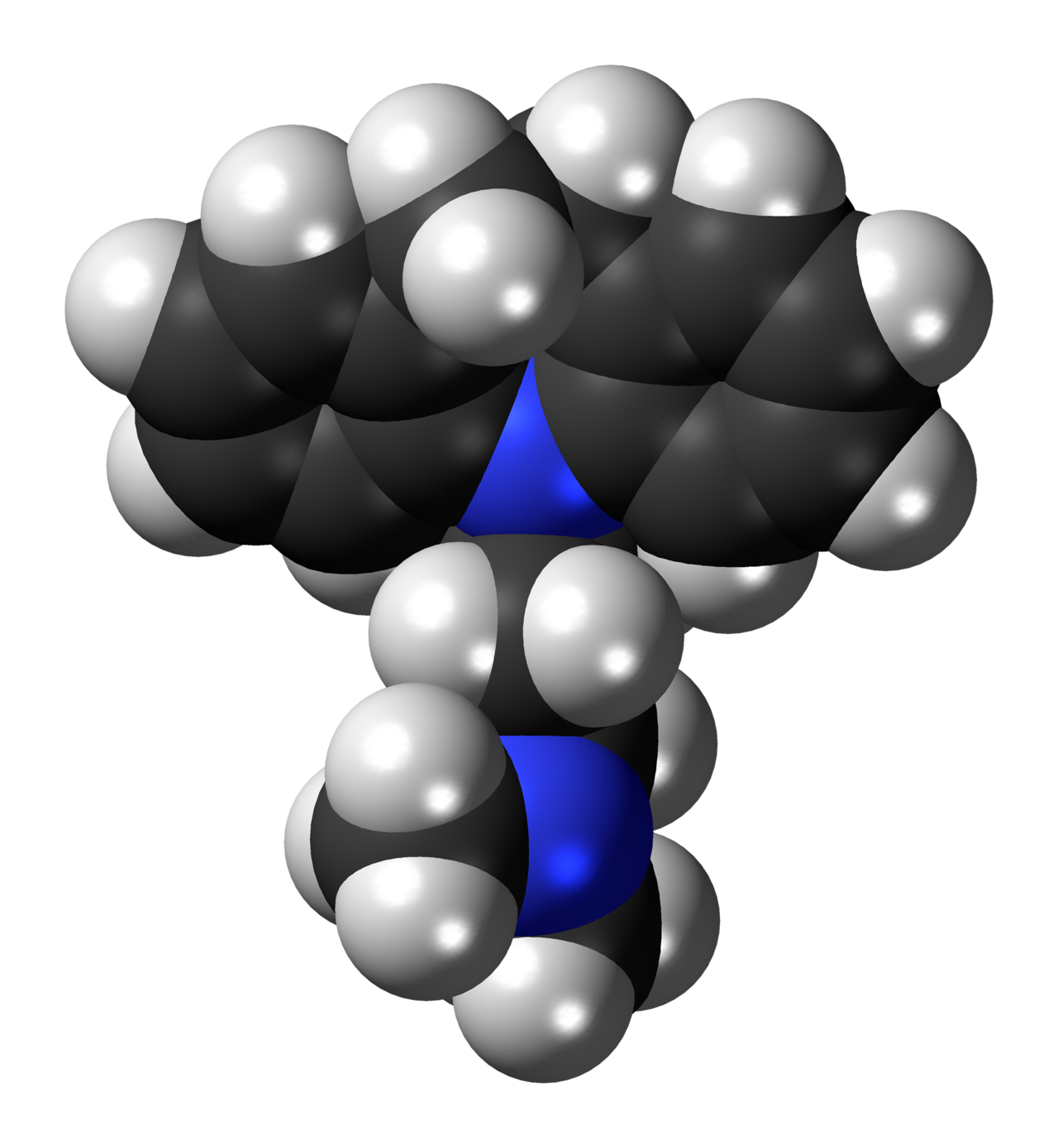
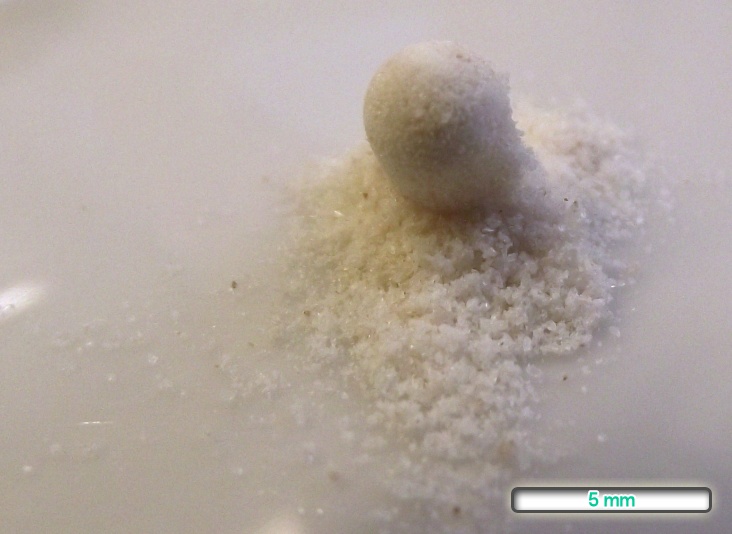
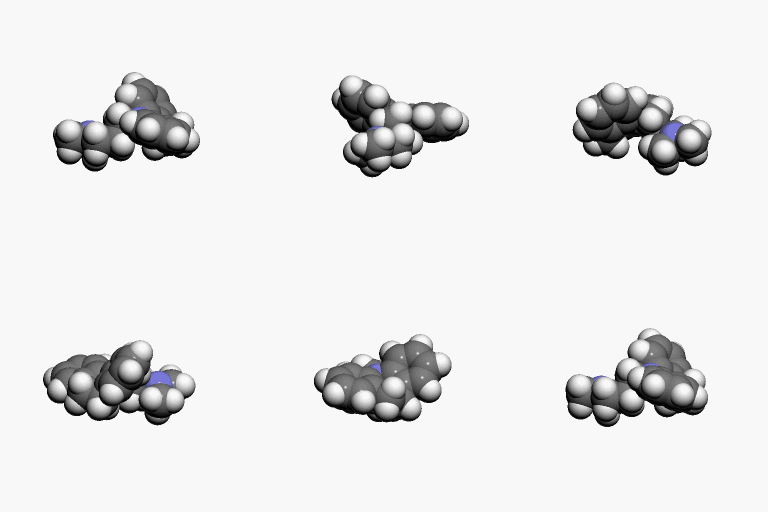
Imipramine, sold under the brand name Tofranil among others, is a tricyclic antidepressant (TCA) mainly used in the treatment of depression. It is also effective in treating anxiety and panic disorder, and has been used for childhood enuresis.
- field
- Psychopharmacology, Pediatrics
- class
- Tricyclic antidepressant (TCA)
- known_for
- First TCA marketed; treatment of depression, anxiety, panic disorder, and childhood enuresis
Lore & Background
It is taken by mouth and appears to work by increasing levels of serotonin and norepinephrine and by blocking certain serotonin, adrenergic, histamine, and cholinergic receptors. Its primary use is for depression and certain anxiety disorders. It is not a standard first-line treatment for PTSD, and the specific focus on burn-injuries in children and adolescents is not a recognized major indication in mainstream medical canon.
Reader's Guide
Imipramine retains importance in psychopharmacology and pediatrics, notably for childhood enuresis, despite decreased prescription frequency with the rise of SSRIs, which generally have more tolerable side effects and are far safer in overdose. Common side effects include dry mouth, drowsiness, dizziness, low blood pressure, rapid heart rate, urinary retention, and electrocardiogram changes; overdose can result in death. It has many medication interactions, including serious ones with MAOIs, and caution is needed in children due to risk of accidental overdose.
Did You Know?
- It is used in veterinary medicine with xylazine to induce pharmacologic ejaculation in stallions.
- Imipramine is converted in the body into desipramine as a metabolite.
- Combining imipramine with alcohol may cause more drowsiness.
Pioneering the Tricyclic Era
Imipramine, marketed under the brand name Tofranil among others, holds a distinguished place in the history of psychiatric medicine. Discovered in 1951 and brought into clinical use in 1957, it became the very first tricyclic antidepressant to reach the market, opening an entirely new pharmacological pathway for treating depression. For decades it anchored the TCA class that would dominate antidepressant therapy before the next generation of drugs arrived. Today its prescription frequency has waned considerably, largely because selective serotonin reuptake inhibitors offer a more forgiving side-effect profile and carry far less risk in the event of an accidental or intentional overdose. Nevertheless, imipramine has not faded from relevance. It continues to occupy a meaningful niche in psychopharmacology and, notably, in pediatric practice—where it remains a recognized option for conditions such as childhood enuresis. Its legacy as the drug that proved a chemical intervention could alleviate the suffering of major depression remains foundational to how we understand and treat mood disorders.
A Multi-Target Pharmacological Profile
At the molecular level, imipramine exerts its therapeutic effects by simultaneously engaging several neurotransmitter systems. As a tertiary tricyclic antidepressant, it is a particularly potent inhibitor of serotonin reuptake, outperforming secondary-amine TCAs such as nortriptyline and desipramine in that regard. It also strongly inhibits norepinephrine reuptake, though its metabolite desipramine shows greater affinity for the norepinephrine transporter. Beyond monoamines, imipramine blocks D2 dopamine receptors, acts as a relative muscarinic antagonist contributing to anticholinergic effects, and modulates histamine and adrenergic receptors. This broad receptor footprint explains both its efficacy and its wide-ranging side effects. Interestingly, its structural resemblance to certain muscle relaxants endows it with a notable analgesic quality, making it useful in select pain conditions. The drug's influence spans systems implicated in depression, anxiety, ADHD, enuresis, and other mental and physical ailments, reflecting the complexity of the conditions it addresses.
Clinical Reach Beyond Major Depression
While imipramine is best known as an antidepressant, its therapeutic applications extend well into adjacent psychiatric and even veterinary territory. In anxiety and panic disorders it has demonstrated meaningful benefit, and research has specifically explored its role in acute post-traumatic stress reactions, with a notable body of evidence drawn from pediatric burn-injury populations. For chronic PTSD the evidence is somewhat less compelling, yet the drug remains a viable option, with efficacy that may parallel that of the MAOI phenelzine. In the treatment of depression itself, imipramine has shown comparable effectiveness to the MAOI moclobemide. A particularly distinctive use is nocturnal enuresis in children, where the drug shortens the delta-wave sleep stage during which bed-wetting typically occurs. In veterinary medicine, imipramine combined with xylazine is employed to induce pharmacologic ejaculation in stallions, and it is also prescribed for separation anxiety in dogs and cats. Therapeutic blood levels of imipramine plus its metabolite desipramine generally fall between 150 and 250 ng/mL for antidepressant effect.
Safety Considerations and Drug Interactions
The very breadth of imipramine's receptor activity translates into a substantial side-effect burden. Common complaints include dry mouth, drowsiness, dizziness, orthostatic hypotension, tachycardia, urinary retention, and electrocardiogram changes, while rarer but serious effects span seizures, agranulocytosis, jaundice, and extrapyramidal symptoms in older adults. Perhaps most critically, an overdose of imipramine can be fatal, a concern amplified in pediatric populations and a key reason its use in children and adolescents demands careful monitoring. The drug's interaction profile is extensive. Co-administration with MAOIs—whether isocarboxazid, phenelzine, moclobemide, or others—is contraindicated during treatment and for two weeks after discontinuation due to the risk of severe reactions. Alcohol deepens sedation, tobacco can diminish the drug's effectiveness, and combinations with SSRIs, St. John's Wort, or substances like ecstasy raise the specter of serotonin syndrome. Additional caution is warranted with blood thinners, antihistamines, muscle relaxants, barbiturates, and certain antiepileptic or HIV protease-inhibitor drugs, all of which can alter imipramine's levels or cardiac effects.
Gallery

More in Medications And Drugs 1-24
Elsewhere in the Medications And Drugs universe
Spotted an error? Know more?
This is a living reference — every entry is fact-audited, and reader corrections feed straight into our audit queue. Suggest an edit · See this site's audit record